
Colour shapes Learning | University of Applied Sciences and Arts Hildesheim
Pilot project on the effect of colour in learning spaces
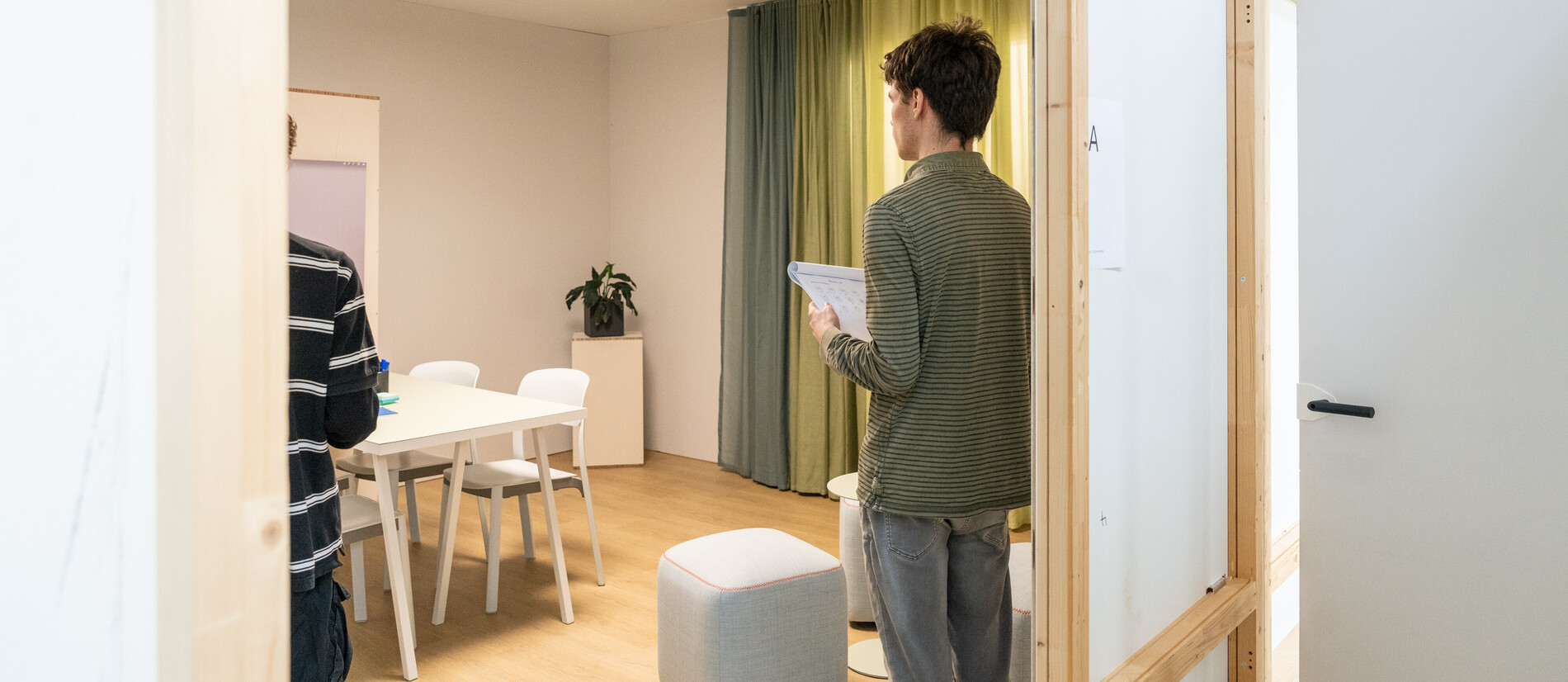
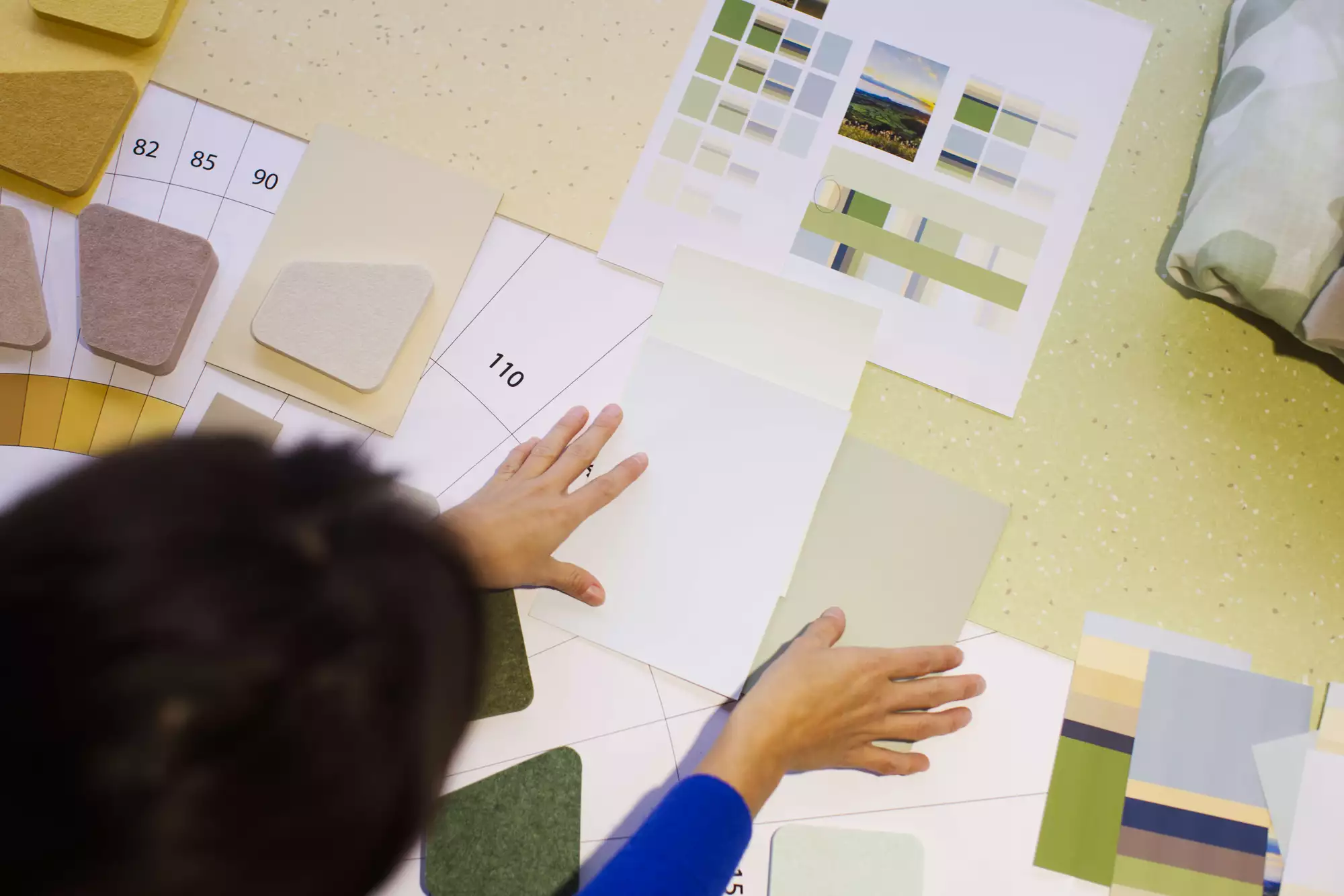
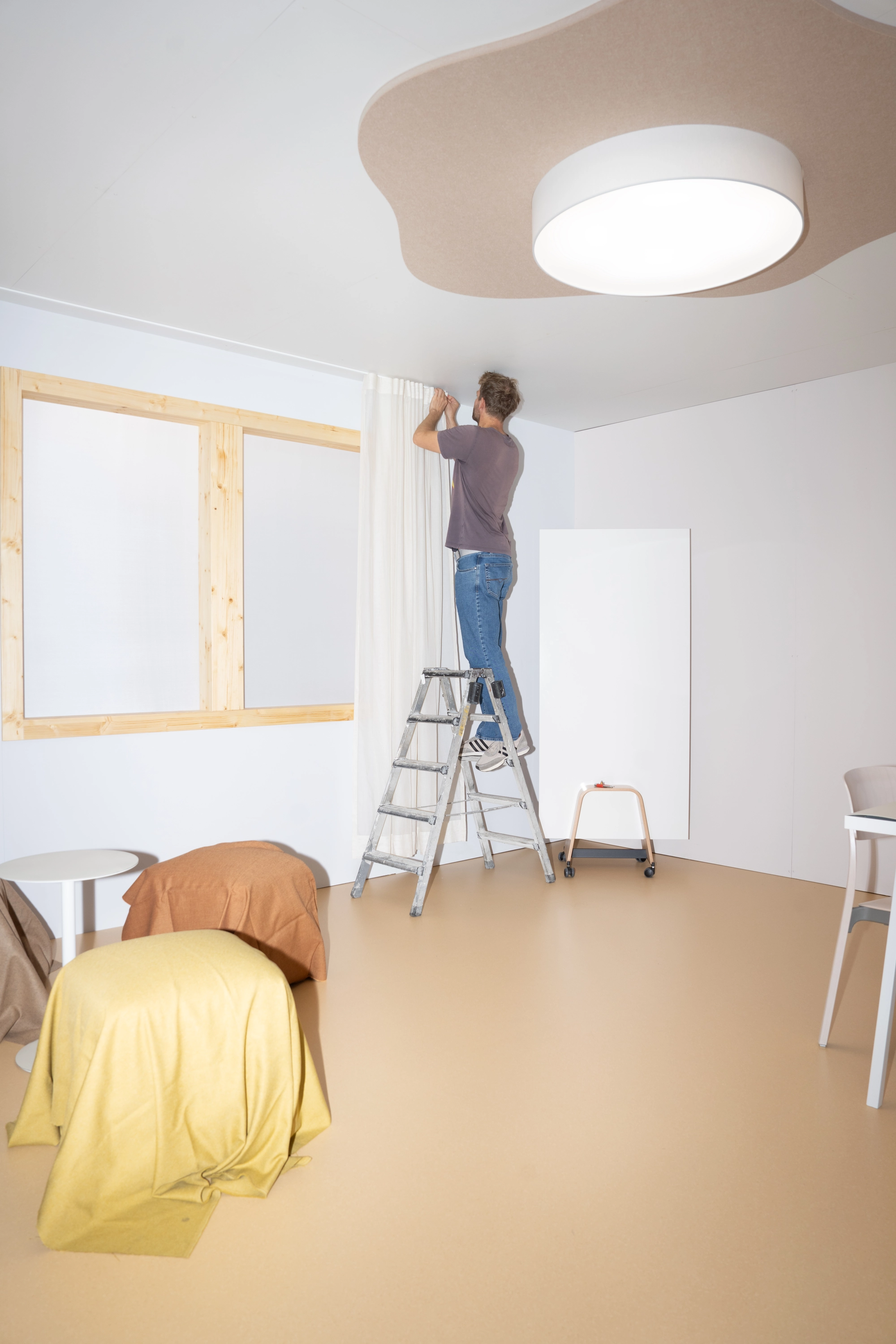
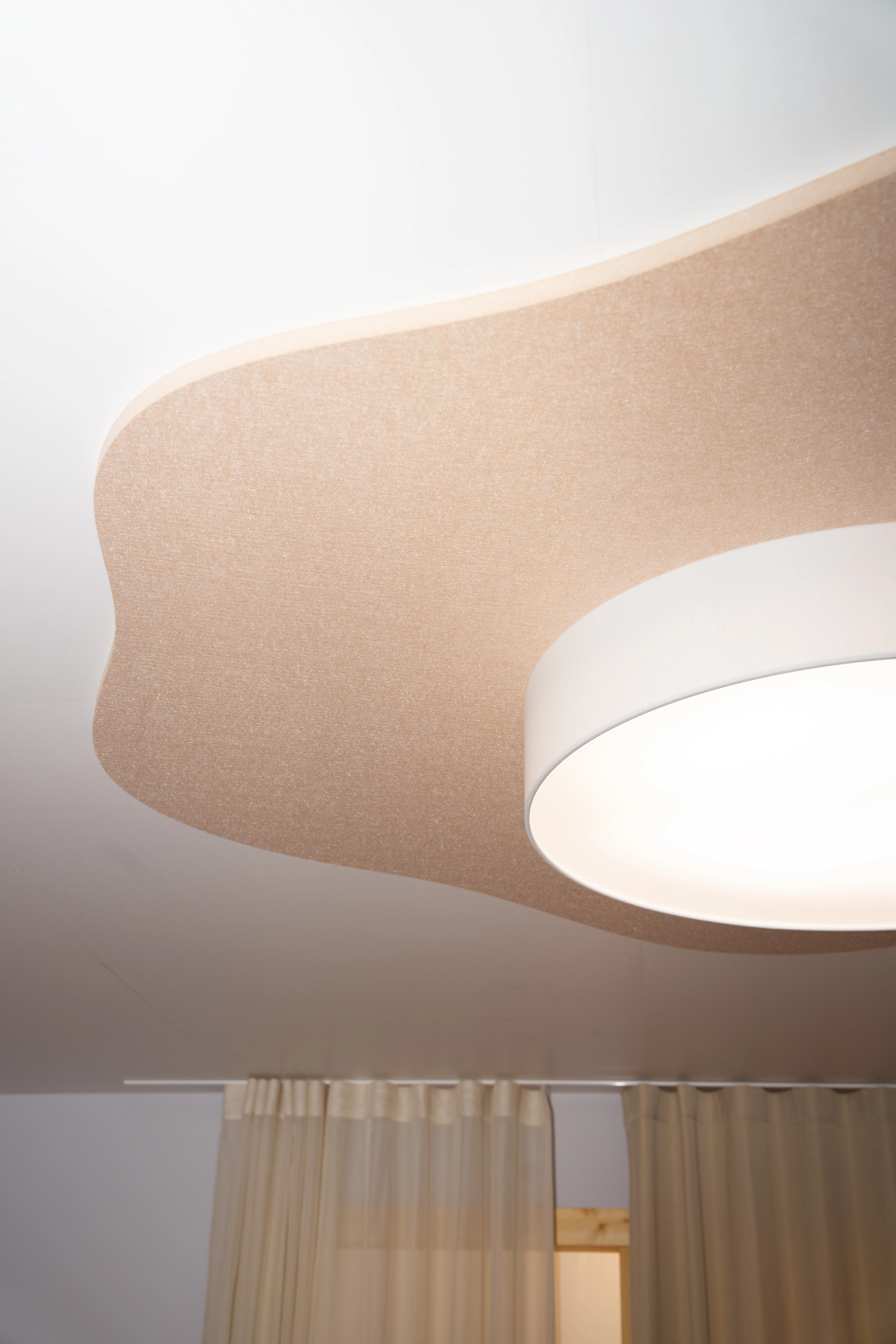
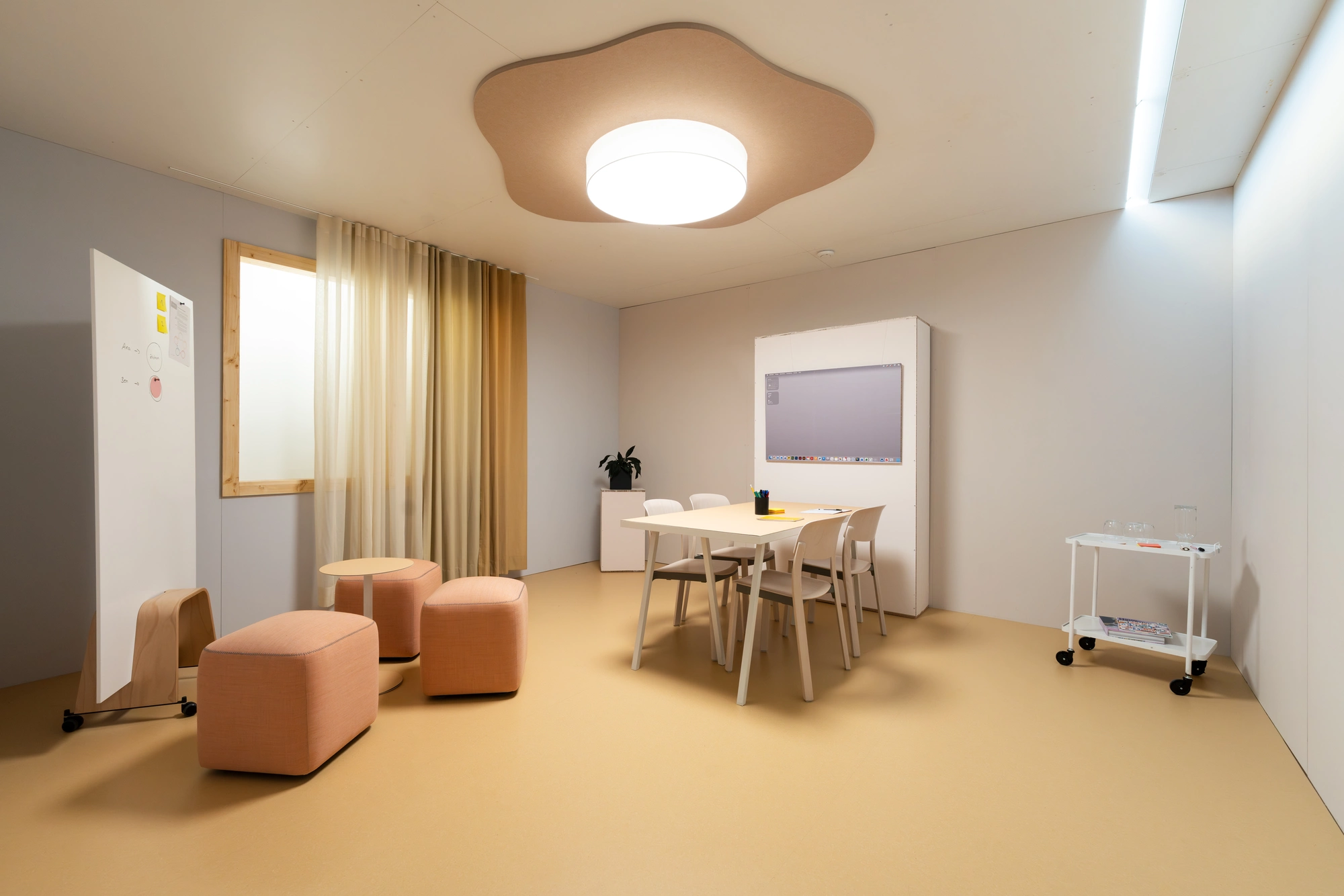
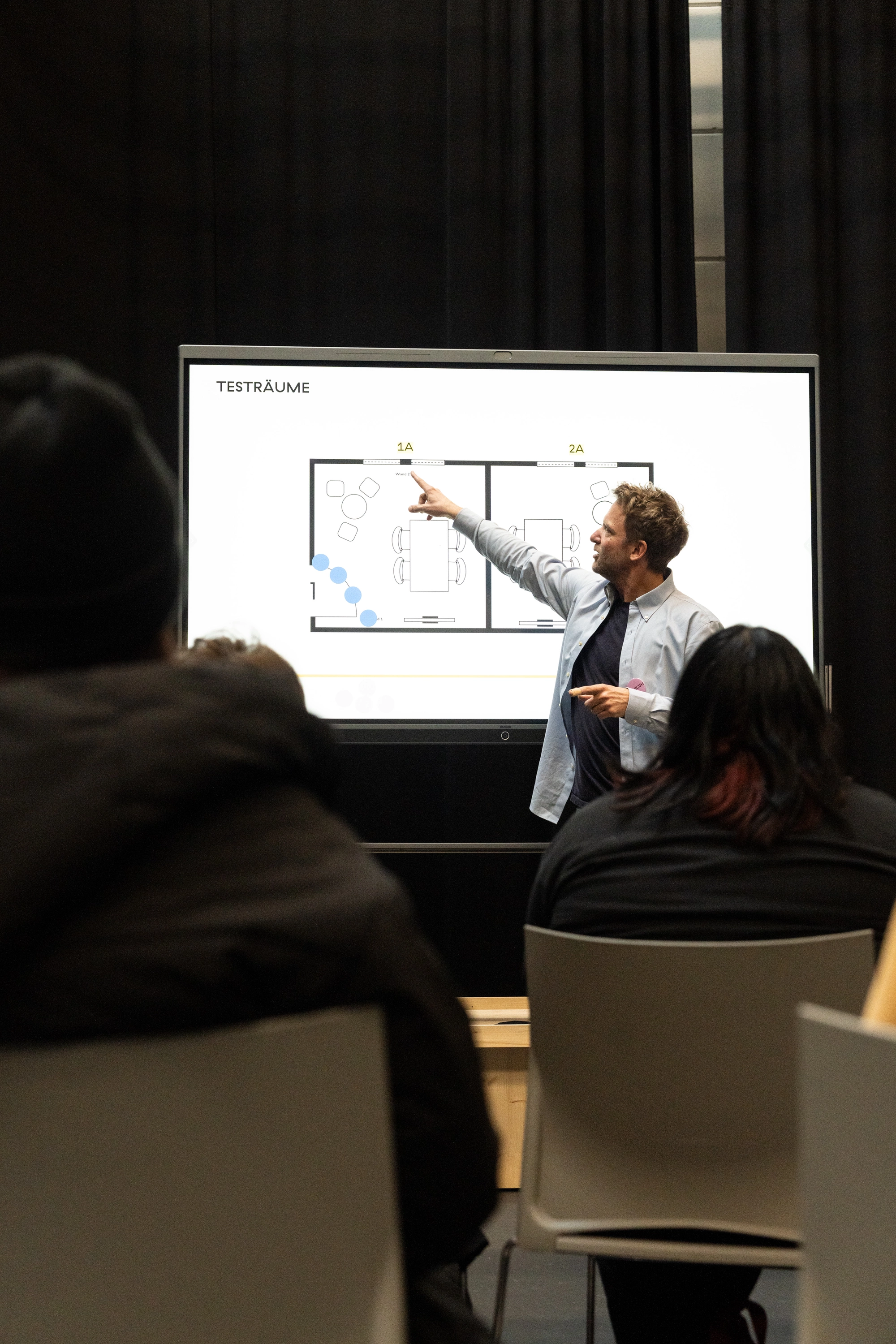
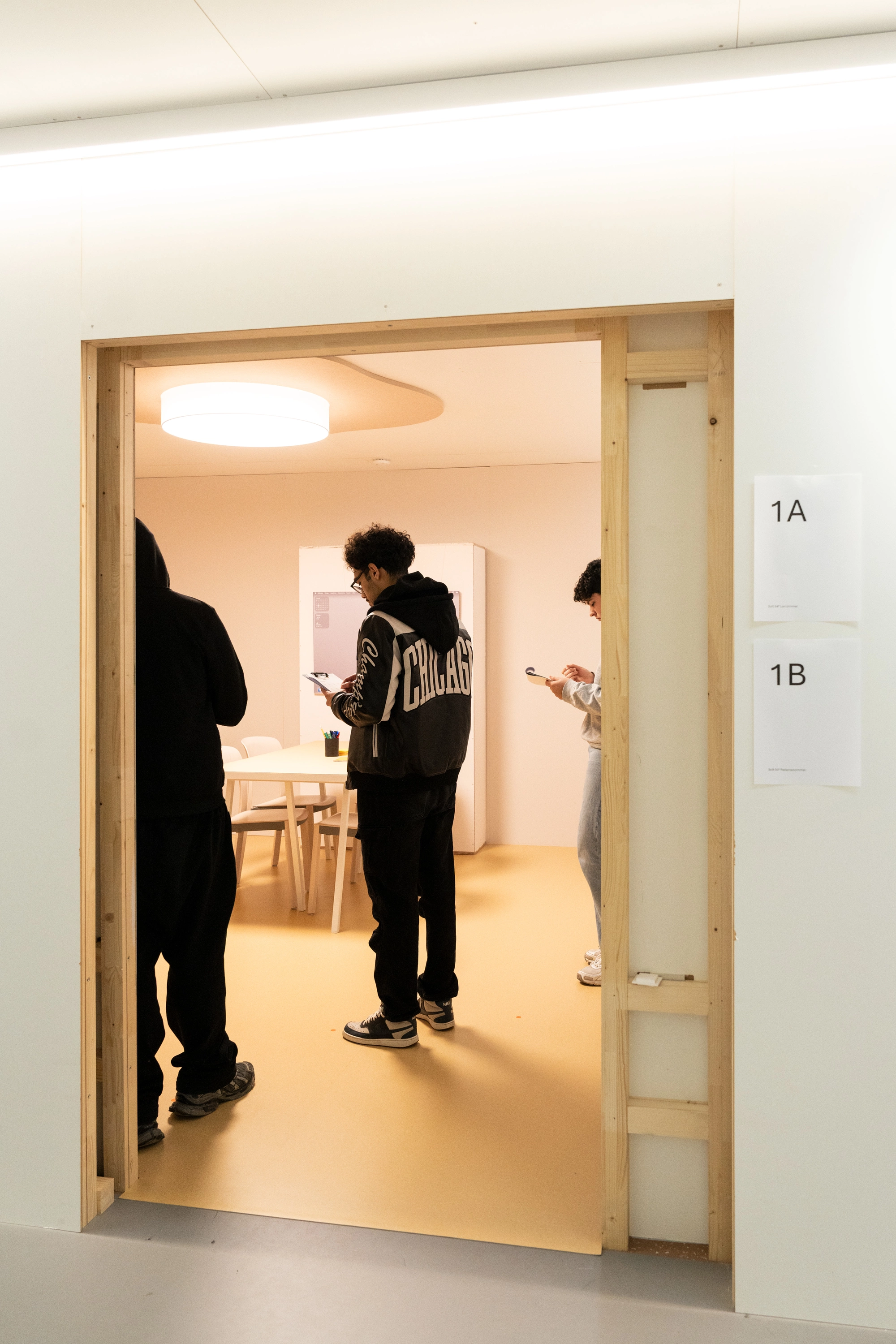
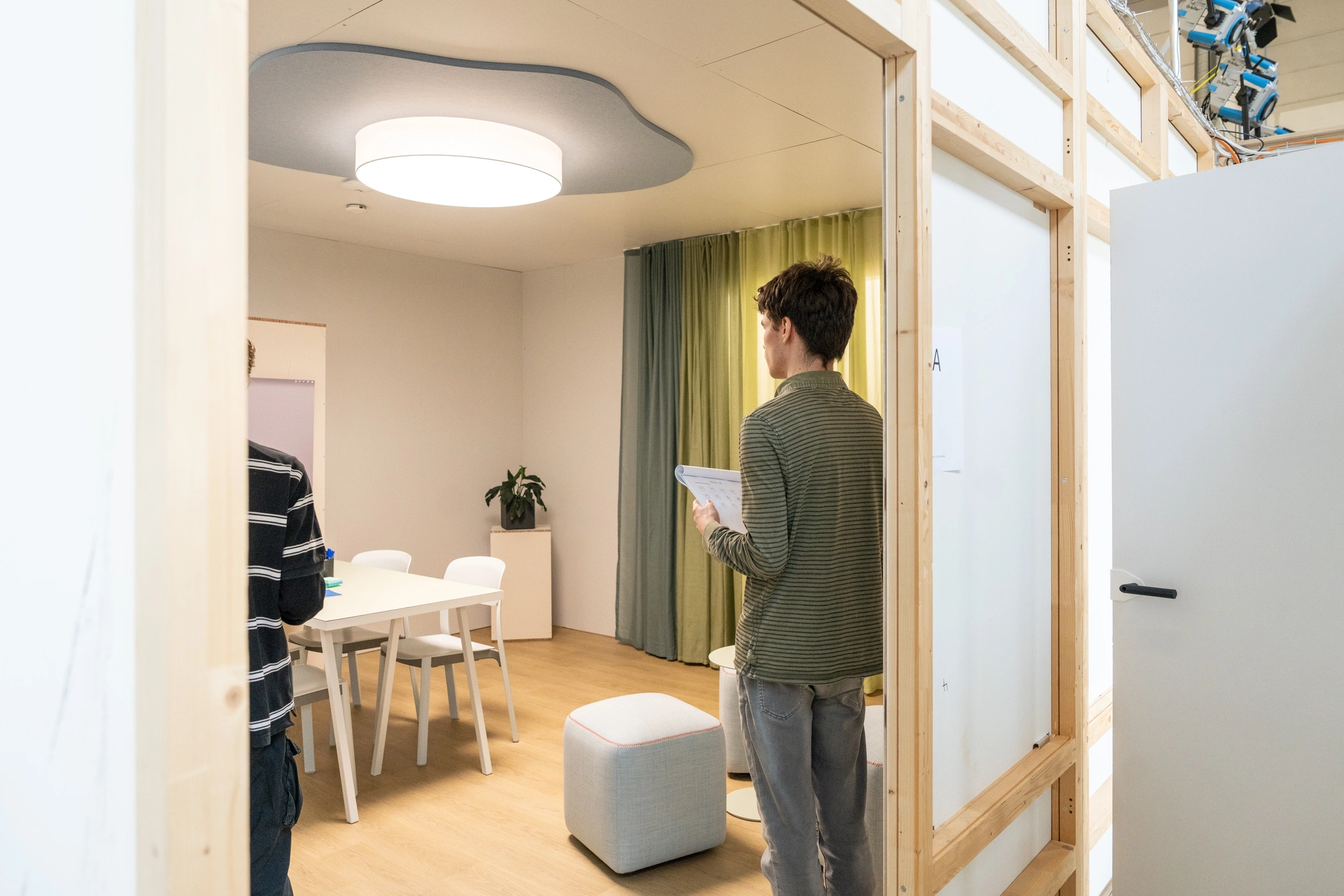
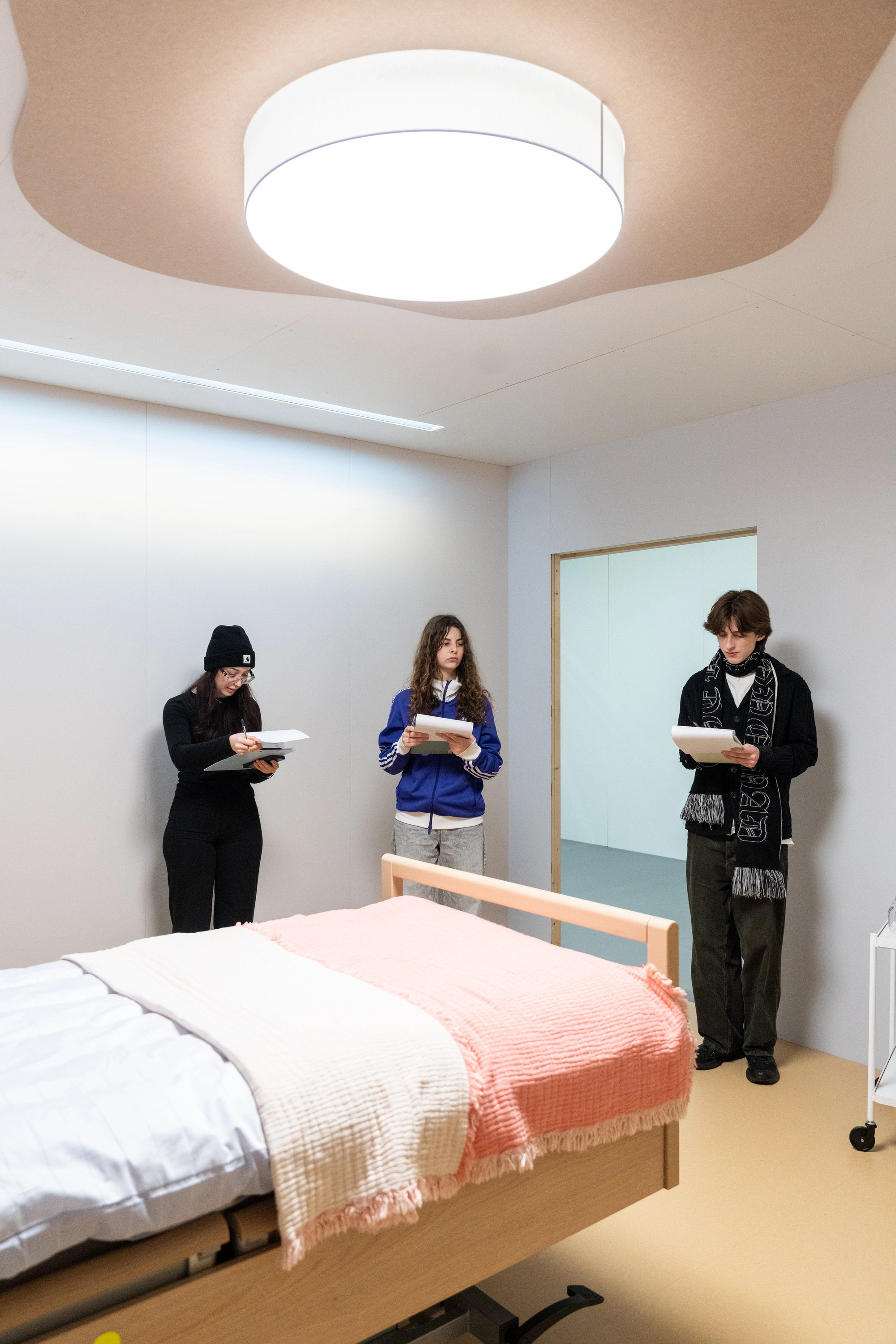
The pilot project "Colour sets a precedent" is the first to investigate how different colour spectrums affect the well-being of pupils in learning environments. In the realistic test rooms in the SCDH Living Lab, colour concepts are made visible and tangible in order to measure their emotional impact under conditions that are true to life.
Translated with DeepL.
Context
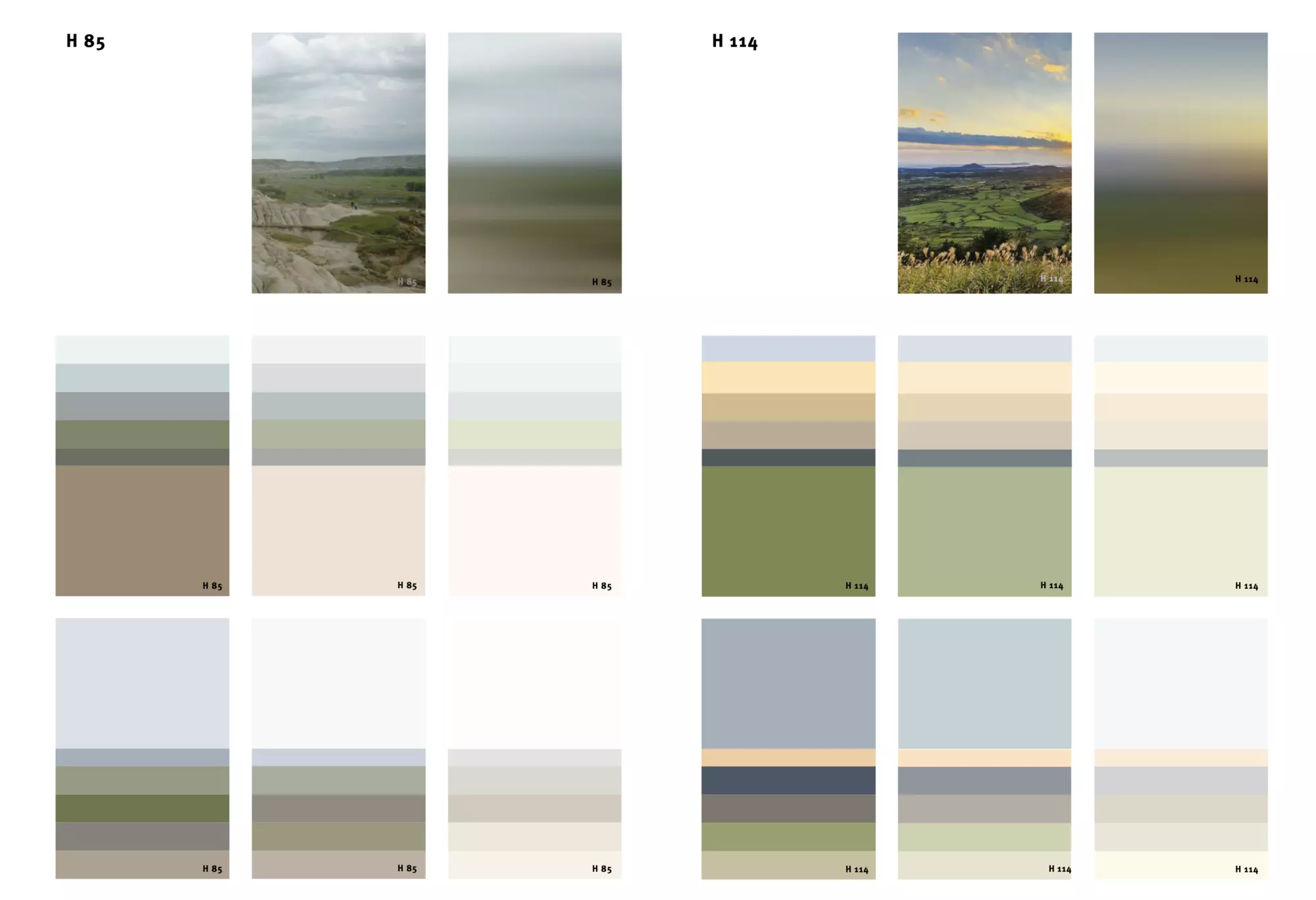
School rooms are learning environments that have a significant influence on motivation, concentration and emotional well-being. Despite their importance, the effect of colour in a school context has rarely been systematically investigated. The University of Applied Sciences and Arts in Hildesheim (HAWK), among others, has been researching the measurability of emotional colour effects for years. However, the findings have so far only been tested primarily on models or digital colour simulations. The challenge of the "Farbe macht Schule" project is to transfer the scientifically developed colour spectra into a realistic spatial situation and test their effect under conditions that are as authentic as possible. The aim is to take a holistic view of the interplay between space, light and colour and to measure the emotional reactions.
Approach
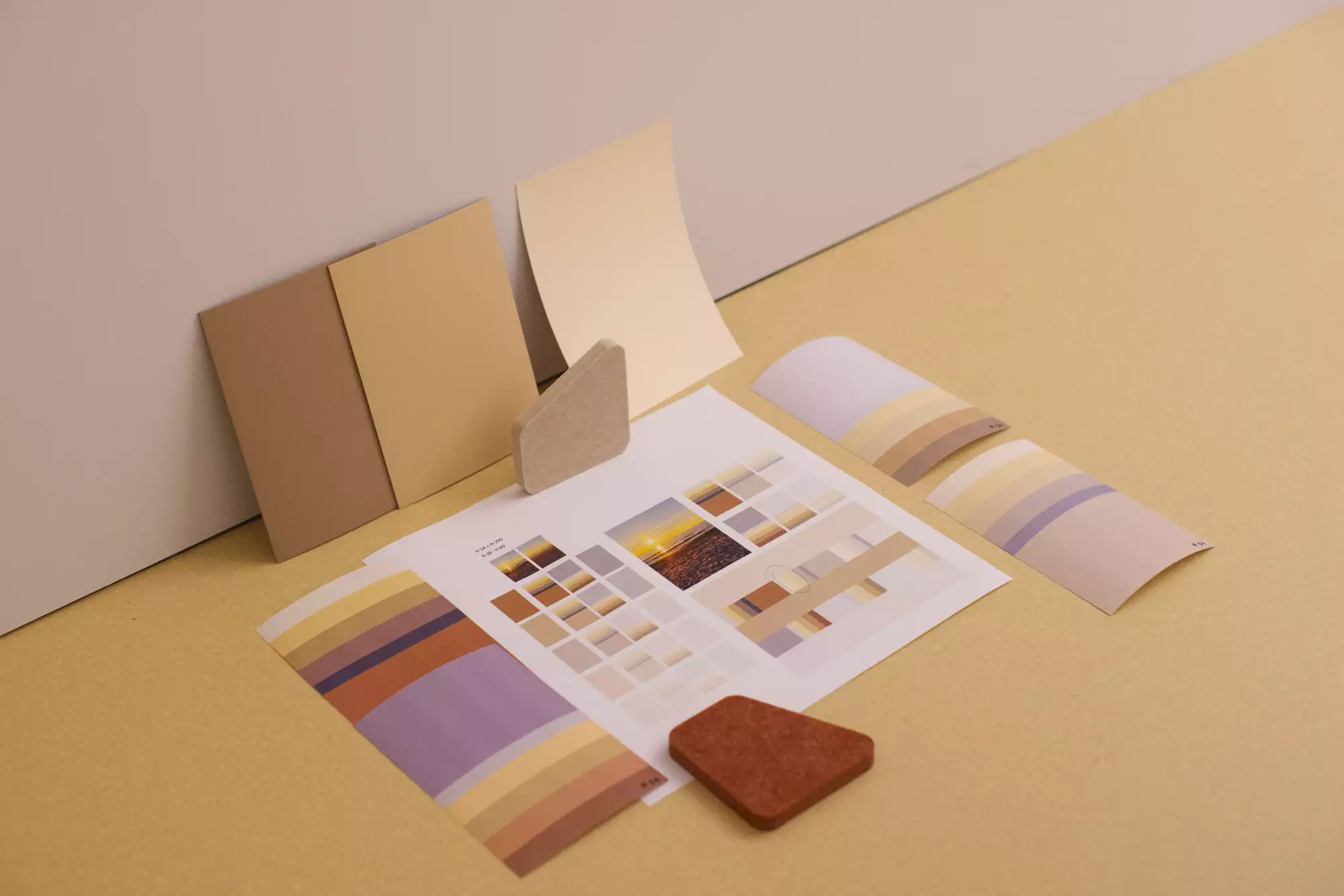
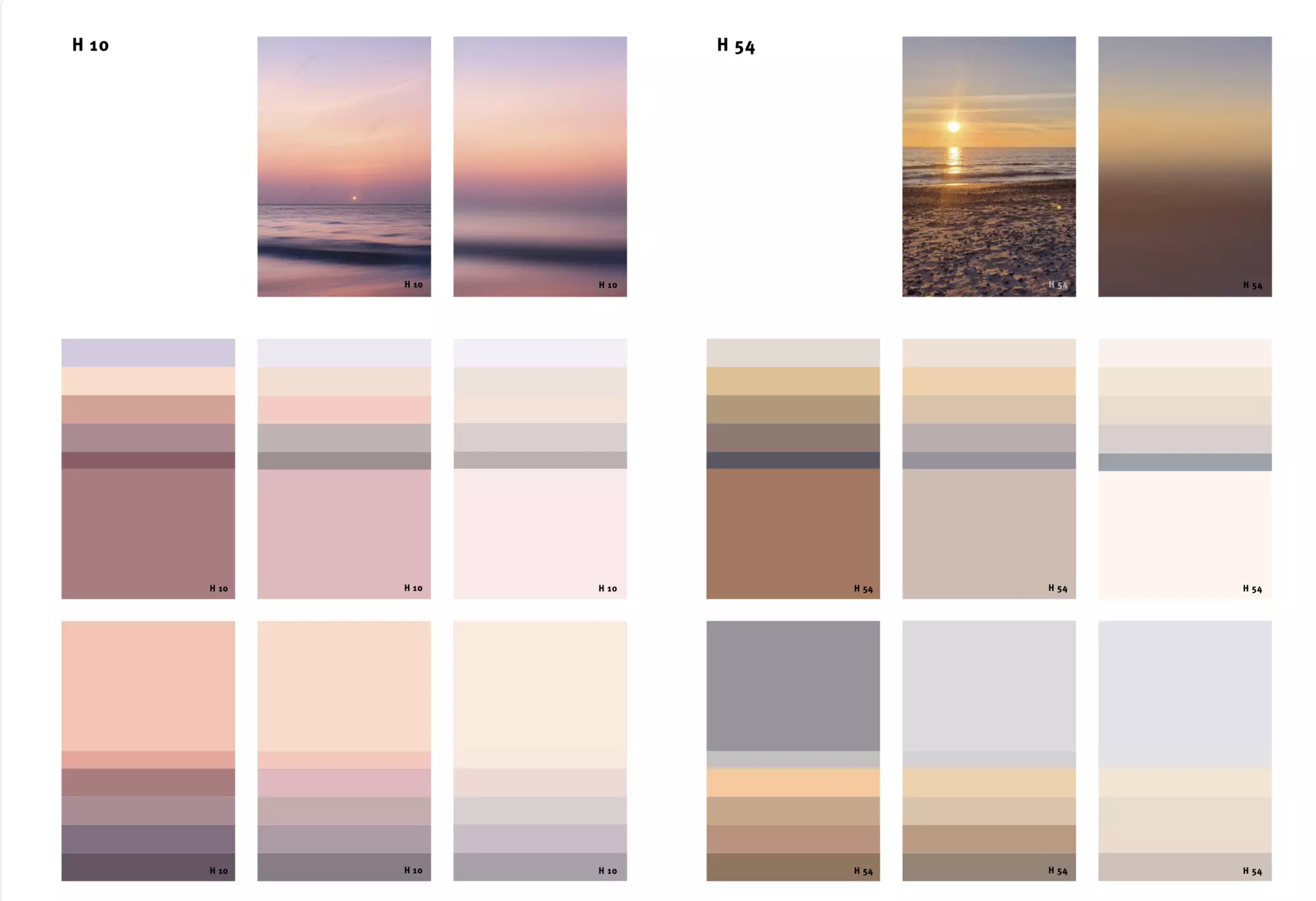
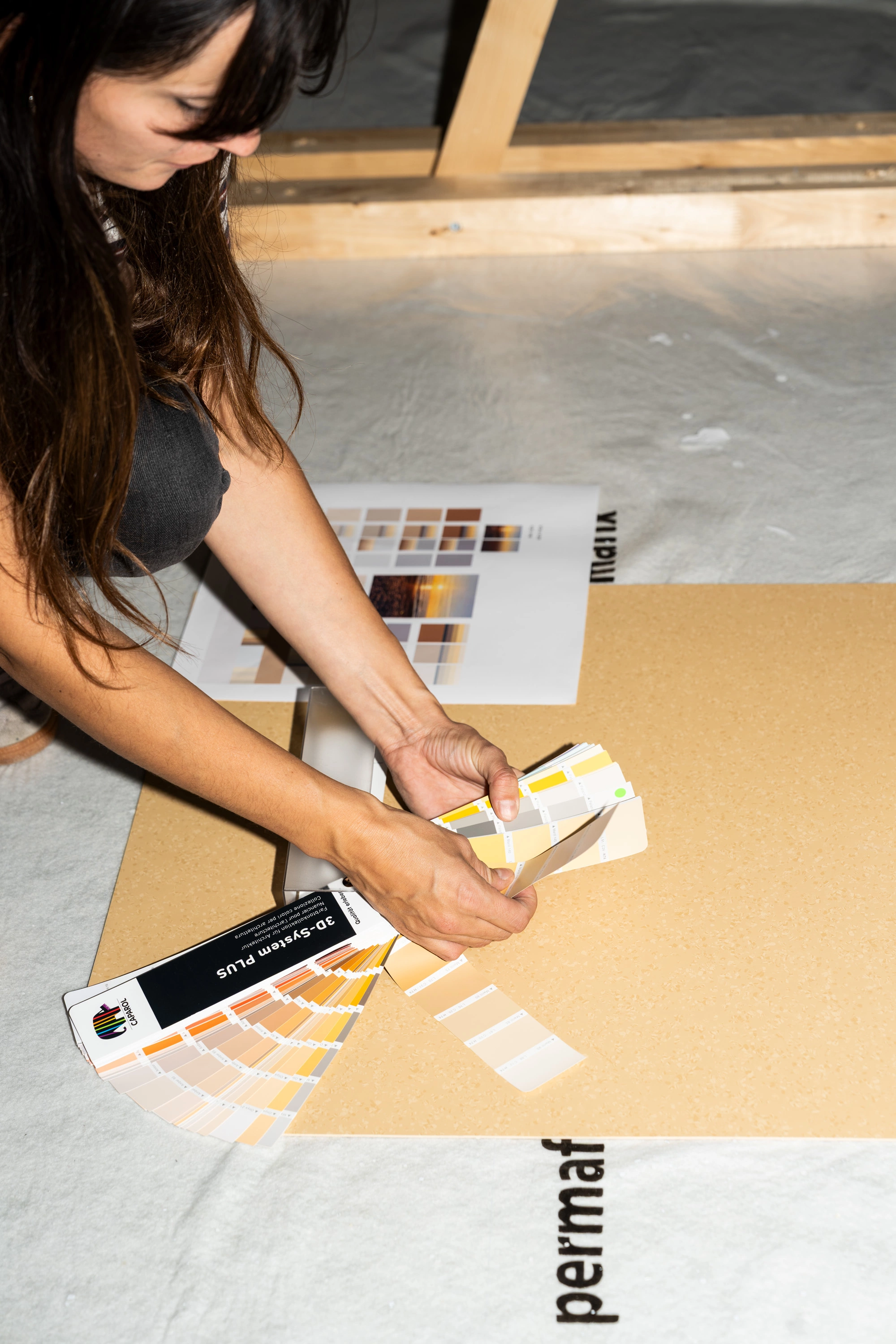
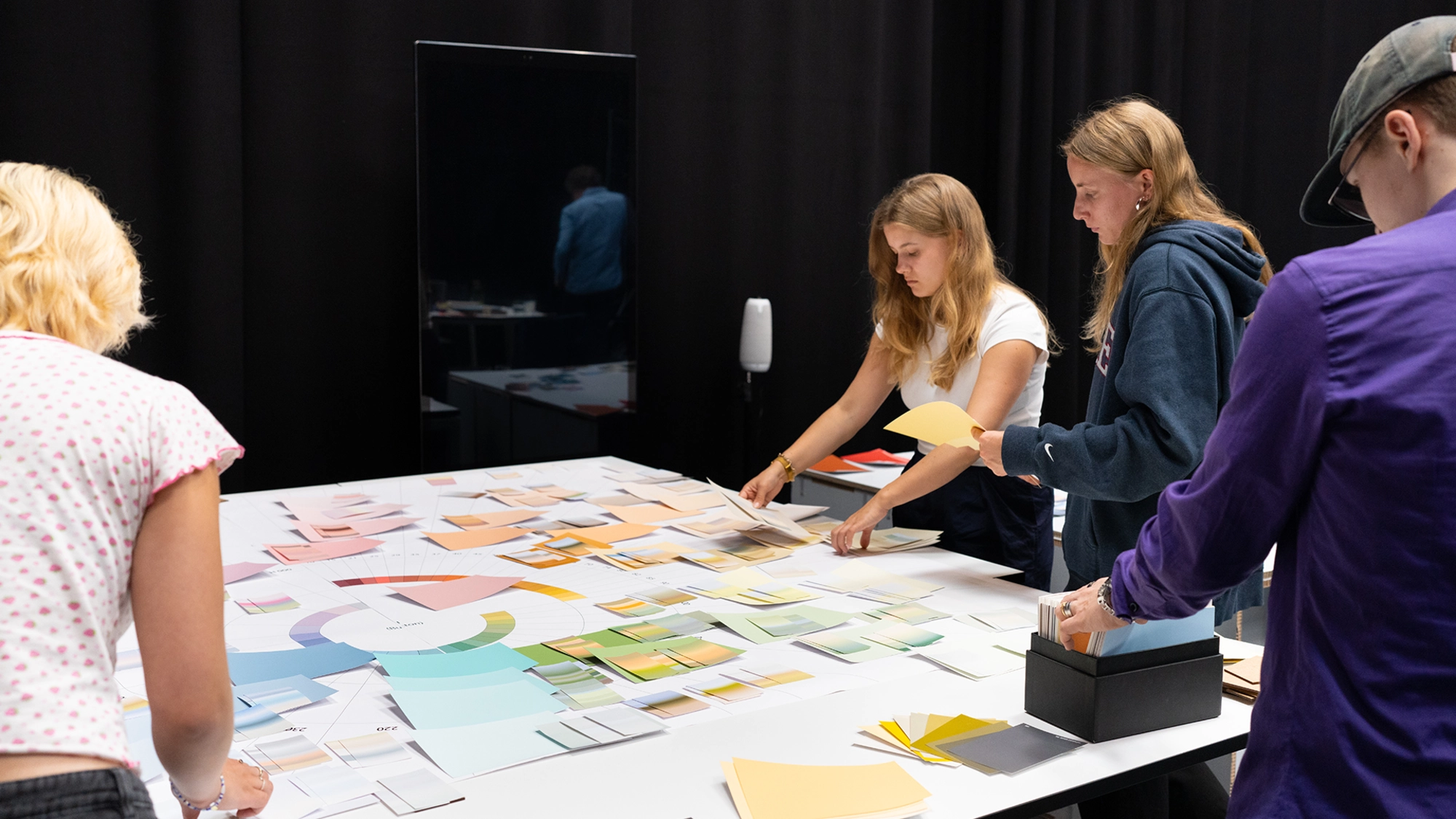
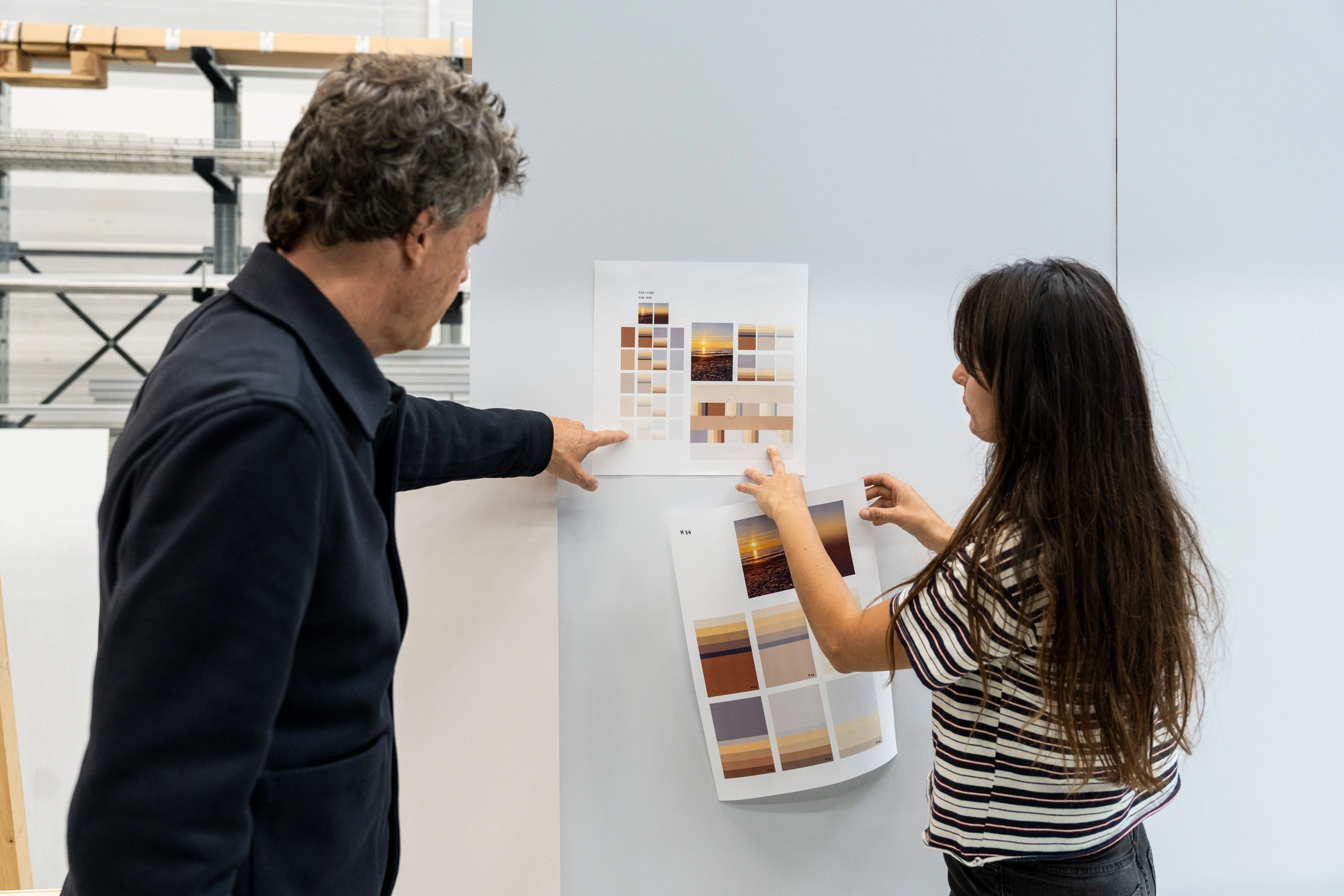
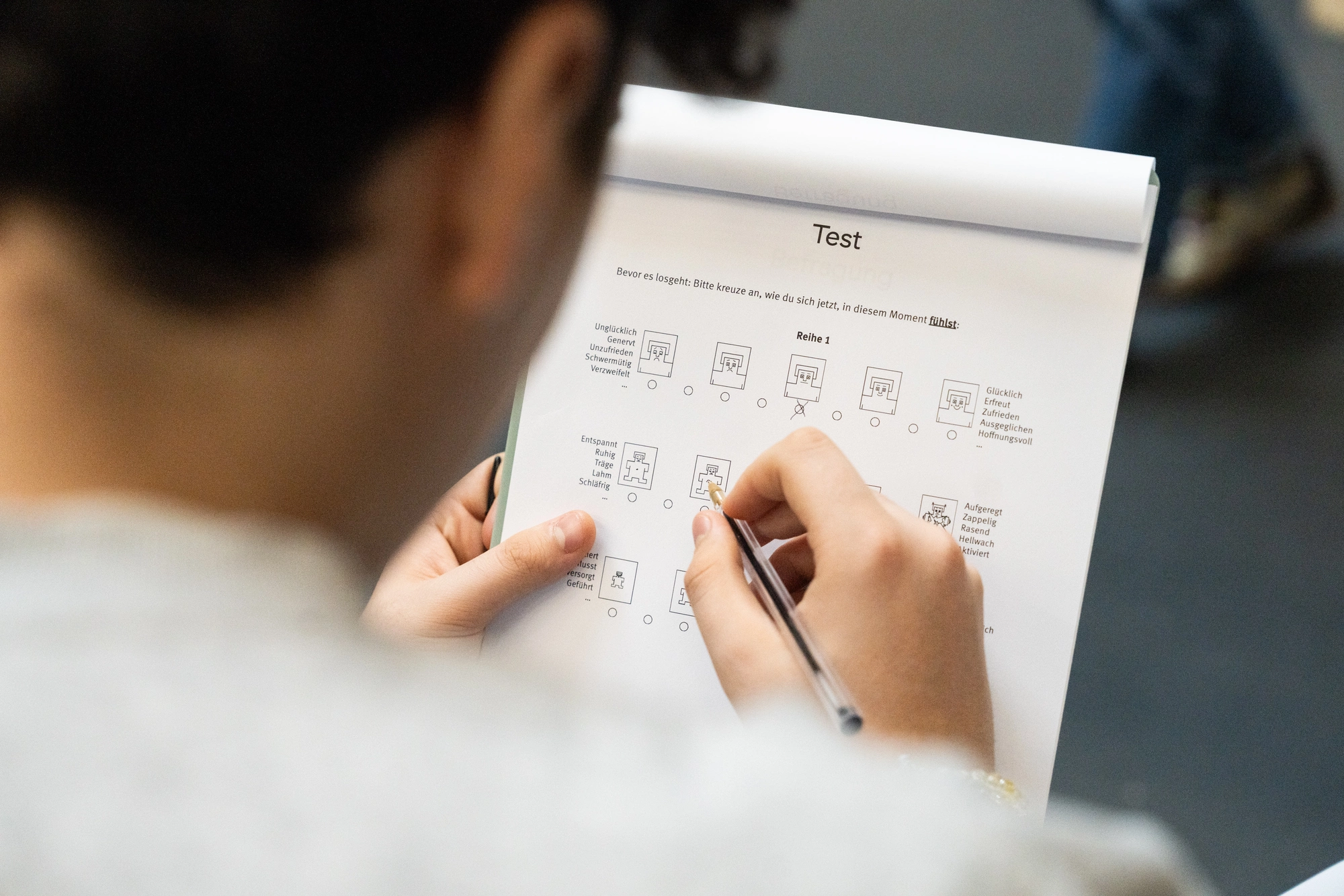
Colour design students at the Faculty of Design at the University of Applied Sciences and Arts (HAWK) are developing various colour spectra based on scientific research. The SCDH is implementing these colour spectra spatially in a test room at the Living Lab. The aim is to create an environment that is as close as possible to a real learning space while allowing for controlled test conditions. The various concepts are tested with selected user groups. Participants experience different colour worlds directly in the room, which allows qualitative and quantitative feedback on the atmospheric effect to be obtained. The focus is on evaluating emotional responses in interaction with colour.
Benefits
- The project provides reliable insights into the effect of colour on the well-being of students.
- In the long term, the results can contribute to designing learning spaces that promote health, boost motivation and offer a varied atmosphere.

Status
ongoing
Type of project
Service
Target group
Planners and designersBuilders and public authorities
Area of activity
Objects and environment
Offering
Testing
Infrastructure
Testing spaces